
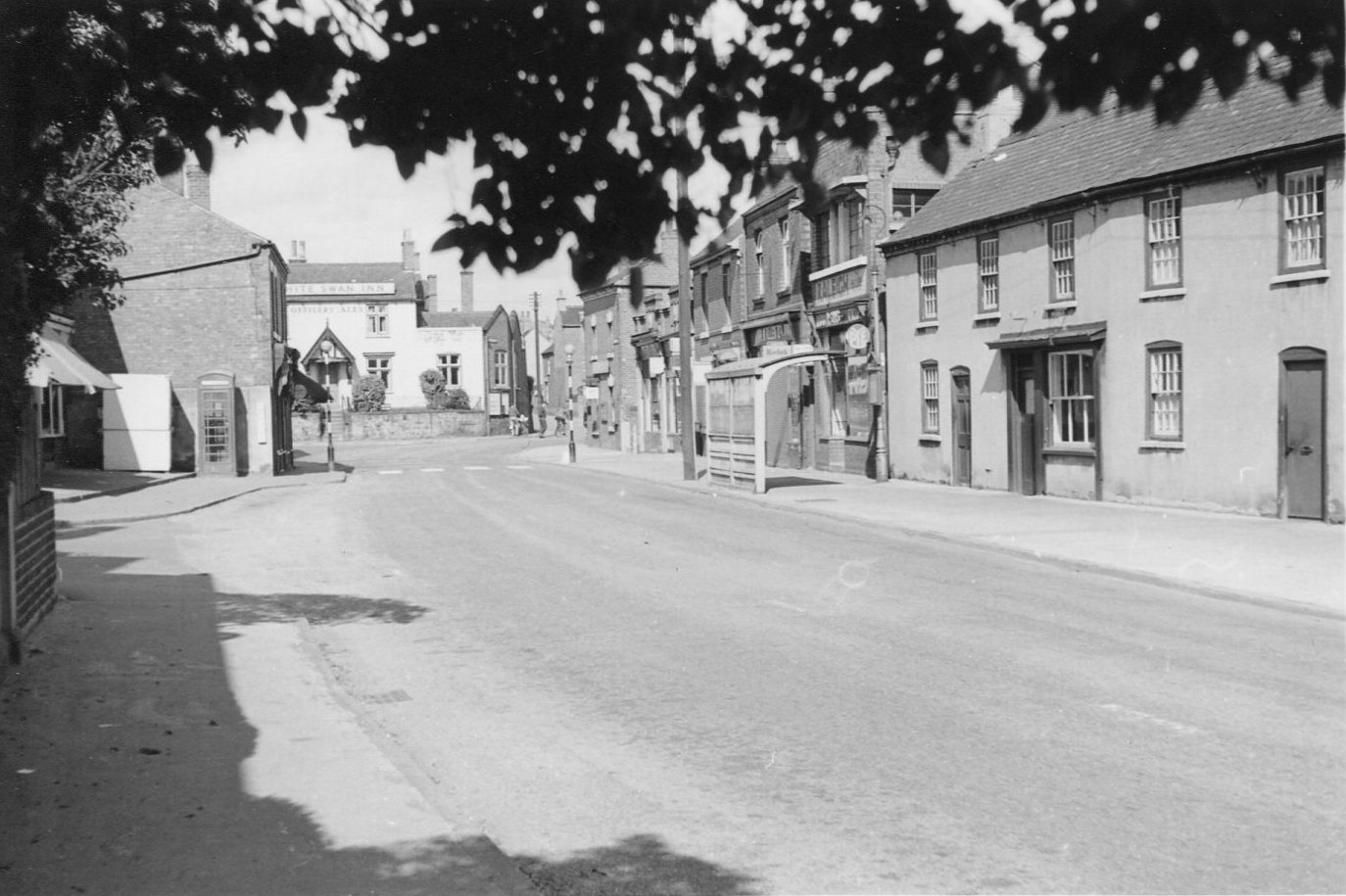
The origins of Spondon can be traced back over 10 centuries, with a reference to the village as Spondune in the Doomsday Book of 1086.
The name of Spondon is derived from the Anglo-Saxon words "Spon" meaning gravel, woodchip or shingle and "Dune" meaning hill, giving us Spondune as a Gravelly Hill.
There have been a number of variations of the name over the centuries including Spoundun, Spandon, Spaindon and Spoondon before settling as Spondon sometime in the 18th century.
Following the Norman Conquest, much of the area's land was awarded to Henry de Ferrers, who became one of the country's largest landowners. The village later passed from the deFerrers family into the hands of the Burton Lazars, a religious and knightly order from Leicestershire dedicated to the care of lepers, and Spondon continued to grow throughout the 11th and 12th centuries.
But, in 1340, a huge fire - commemorated locally nowadays as the Great Fire of Spondon - began in a malt house on the site of the Malt Shovel Inn. Aided by a strong wind, the fire raged wildly through the village, destroying all but a small part of the settlement. Such was the devastation and cost of the damage, villagers appealed to the King for help, who granted the villagers exemption from parish taxes for nine months. This funded the start of the rebuilding of the village and Spondon was slowly rebuilt over the following 50 years.
Following the rebuilding, the village grew once more and became a predominantly farming community. Other industries also sprung up in the village, including silk glove making, basket weaving, a brick yard, a timber yard and a blacksmiths.
Spondon's boom began in earnest in the late 1700s when the canal was built through the area while the arrival of the railways in the 1840s heralded the start of Spondon's housing expansion as hundreds of railway workers and senior officials descended on the village. By the end of the 1800s, Spondon's population had more than trebled.
Following the First World War, industry was growing in Spondon with the arrival of manufacturer British Cellulose. Through a number of ownership and name changes, including British Celanese, Courtaulds and Accordis. It remained Spondon's single largest employer until large parts of the site were closed and subsequently demolished during the 2010s.
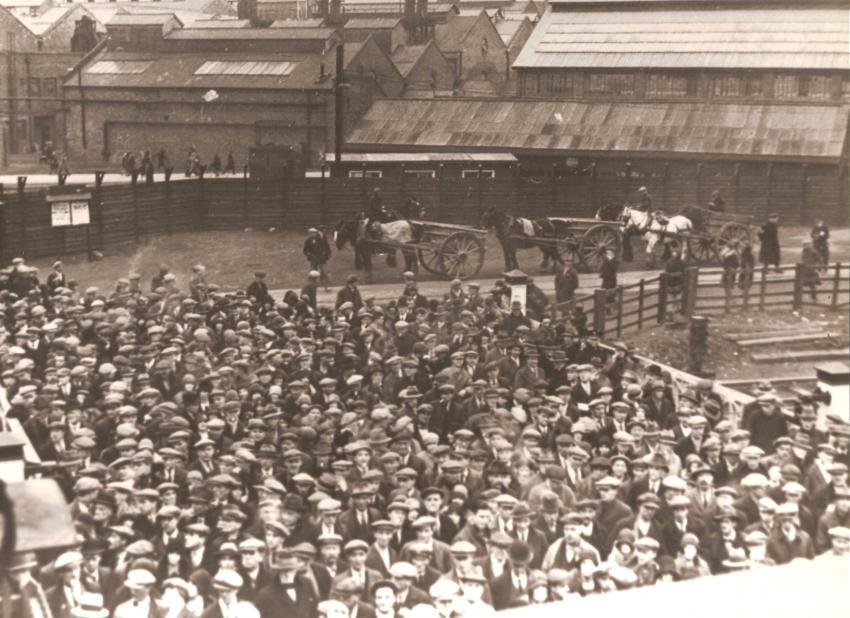
You going up the village?
Lying three and a half miles east of the city of Derby, Spondon retained its status as a separate village until it was officially absorbed into Derby's city boundaries in 1968. Despite this, Spondon still retains its own village feel and identity to this day.
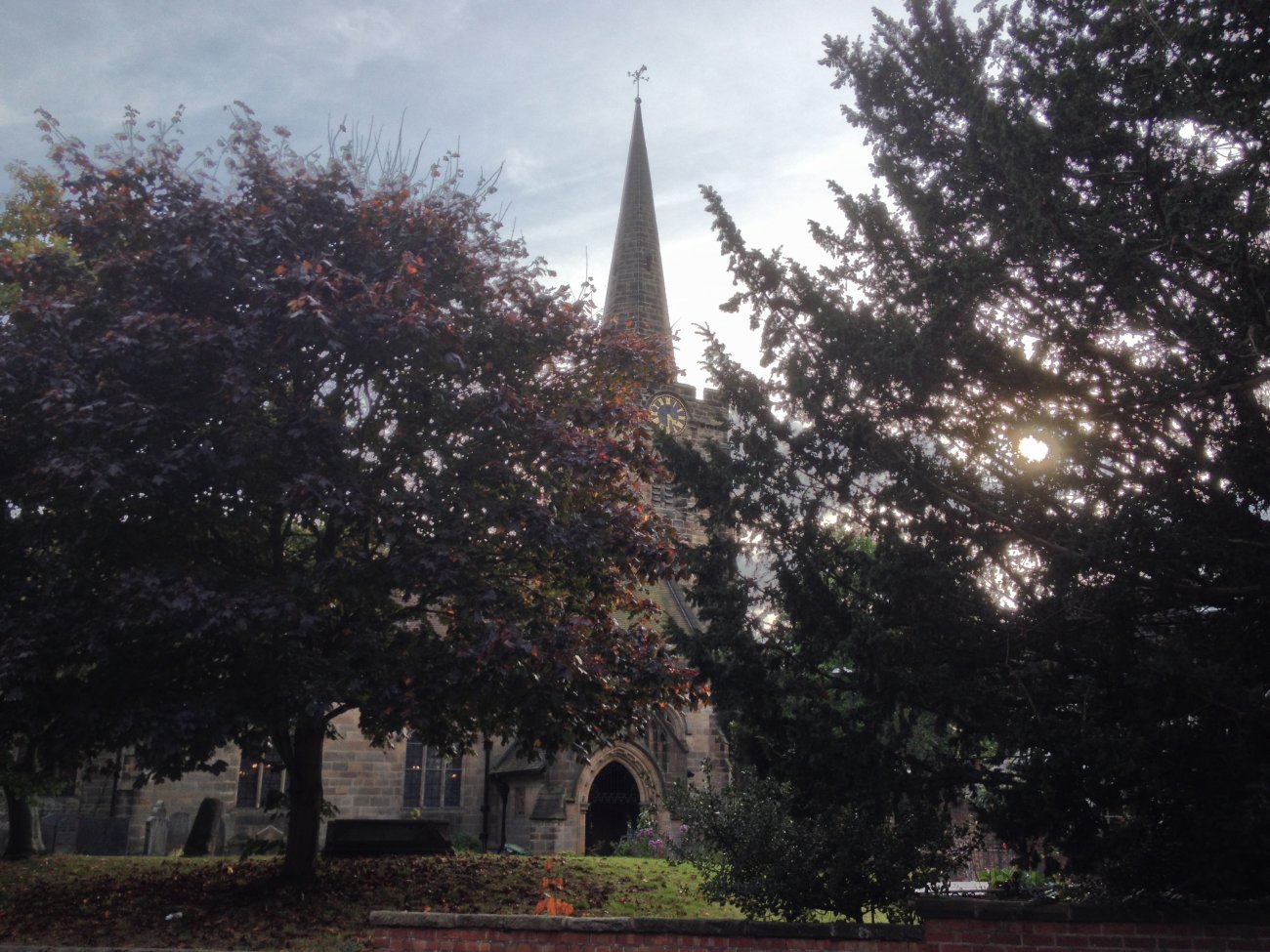
Spondon's oldest and most prominent landmark is St Werburgh's Church, standing 114 feet high at the gateway to Spondon.
The original village church stood on the existing spot until the Great Spondon Fire of 1340, when it was burnt to the ground. Rebuilt after the fire, it was restored in 1826 and again in 1891, although the main church tower and spire is still the original from the 1400s.
Recent years have seen the addition of a stone-built annexe to the church, acting as a community/parish room for church and community activities. Having originally be dedicated to St Werburgh, a Convocation around 1530 decided to rid the church of all Saxon and Celtic saints, transforming the church's name to St Mary's. It was later rededicated to St Werburgh in the late 1800s.
An Anglo-Saxon cross stands in the grounds of the church and is designated as a Scheduled Ancient Monument.
Spondon has a number of other notable landmarks, including a selection of fine Georgian houses.
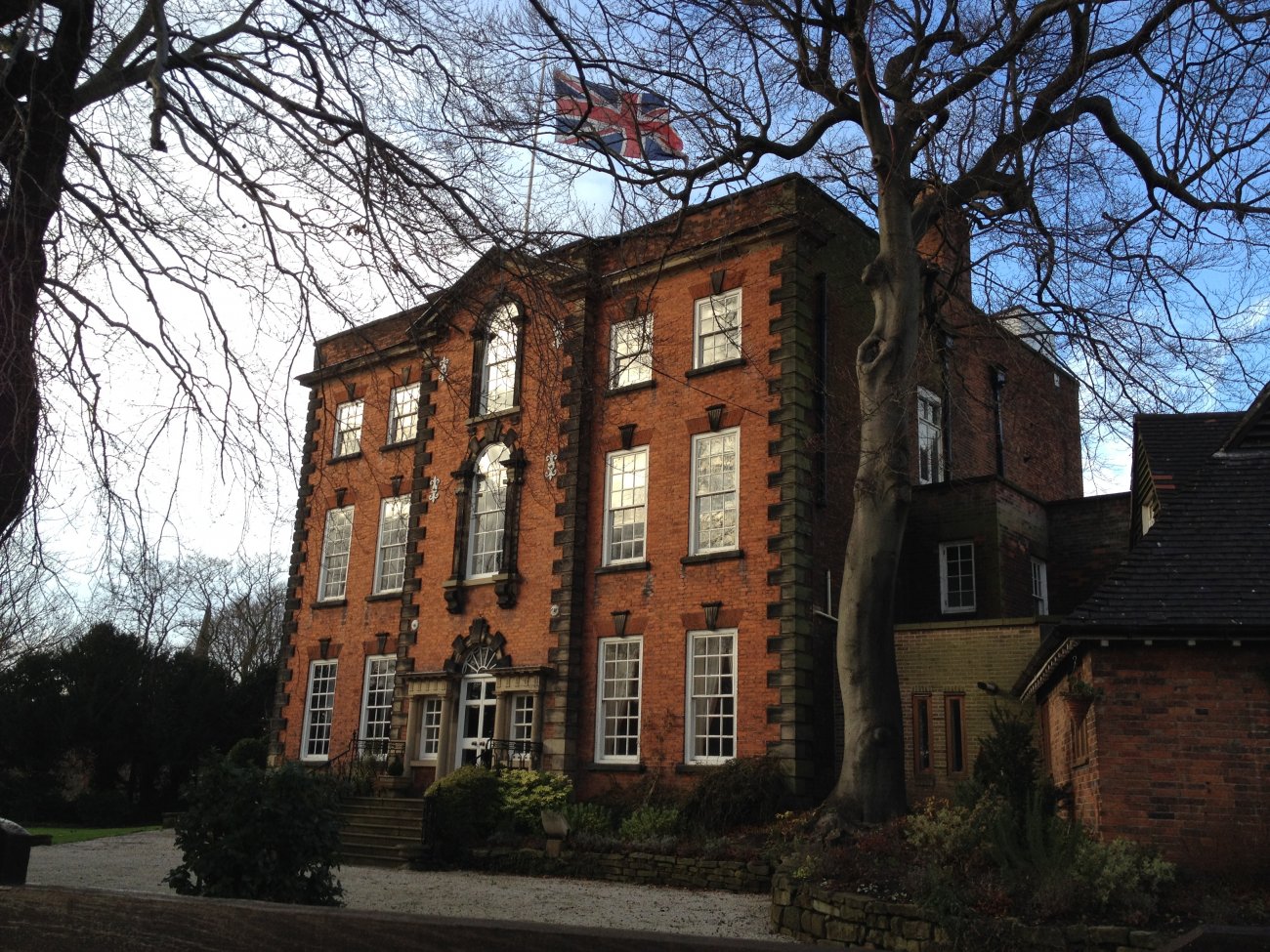
The most prominent of these is The Homestead, which dominates the skyline at the top of Willowcroft Road. The three-storey Grade I Listed house dates back to 1740 and is widely regarded as one of the finest Georgian buildings in Derbyshire.
Another of Spondon's largest residences was Field House, situated on the site now occupied by West Park School.
Although the building itself was demolished a number of decades ago, the double-gated entrance to the estate can still be seen at the entrance to the school at the end of Park Road.
Other Park Road residences still standing include The Grange, Holly Cottage and Prospect House.
Other historical homes in the village include the Mill Row and Longdon's Row cottages, off Locko Road and Church Street respectively and the Barrows Almhouses on West Road.
The area's grandest residence lies just on the outskirts of Spondon. Locko Hall, sat within the 300-acre Locko Park estate, is the current ancestral home of the Drury-Lowe family. Records show that the grounds were the site of a 14th century Burton Lazars leper colony. The leper window in St Werburgh's Church enabled lepers to view mass while remaining segregated from the main congregation.
Such is the history of the village that the Spondon History Trail was reformed a few years ago to give residents and visitors alike a clearer insight into the area's history. The area also has a thriving local historical society that has amassed hundreds of old photos of Spondon along with other significant documents and artefacts, many of which can be seen on their website, www.spondonhistory.org.uk.
Read more about the history of Spondon:
And also at Ken Porter's excellent and highly recommended "A Village Remembered" website and also the Spondon Historical Society website.